
 Posted by
c.AD 26
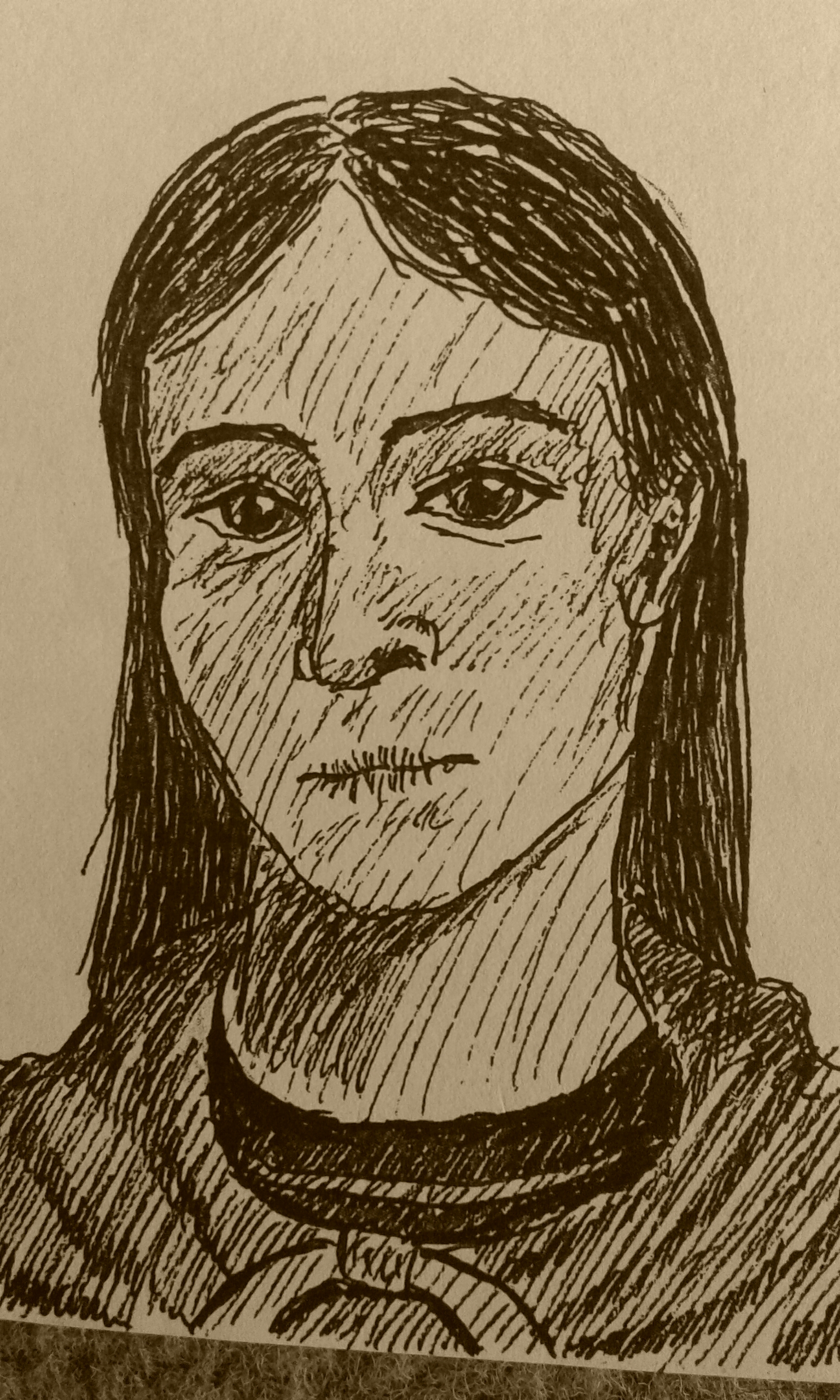
Boudicca is born in Norfolk with striking red hair. The Industrial Arbitration Council step in to leave her with straightforward red hair.
AD 35
To deter Roman invasion road signs are written not in Latin but in Ancient Celt. Unfortunately, his blood ran out by the time they reached Gravesend.
AD 43
Most of Britain is conquered by the Emperor Claudius’ forces. Romanization commences.
AD 45
Prasutagus, King of the Iceni, becomes a client of Rome. Boudicca becomes his Queen. It’s a match made in Heaven (unlike the matches Boudicca will later favour which are made in Bootle by Swan Vesta).
AD 47-49
Boudicca’s two daughters are born. But aren’t christened incase it’s a Roman scam to increase lion feed in their amphitheatres.
AD 60
Prasutagus dies, but the Romans refuse to acknowledge his will. They publicly flog Boudicca and rape her daughters.
Boudicca releases a hare from her dress to invoke the spirit of Andraste, the Celtic goddess of victory. The hare runs amok. Boudicca interprets this as meaning the Brits should fight the Roman invaders. Others see it instead as a sign to return the hare to Pets R Us for a refund.
The Romans head to the Druid stronghold of Anglesey with orders to kill anyone in a white garment with a hood. Thus Millicent Teesagurus, decides it best to postpone her wedding to Bugsy Racketus, the top gangster in Wessex.
Boudicca unleashes 100,000 rebel Brits against Camulodunum (Colchester). Claudius’ temple is burned to the ground as is Camulodonum followed by Londinium (London) and Verulamium (St Albans).
75,000 Romans are massacred in Boudicca’s revolt.
AD 61
Roman troops down from Anglesey meet Boudicca’s forces just off Watling Street in the Midlands.
The outnumbered Romans exhibit professionalism by cutting down the onrushing Britons. 80,000 Celts die compared to just 4,000 Roman fatalities. With the battle lost, Boudicca takes poison to avoid capture.
AD 98-161
The Roman senator Tacitus and historian Cassius Dio write about Boudicca’s exploits.
410
The Romans leave Britain as their empire in the West crumbles.
1360
A monk copying Tacitus’ works erroneously spells Boudicca’s name. She thus becomes known as Boadicea for the next 6 centuries. Fortunately, the monk dies before copying other great classical works on women so we are spared Clearpetrol and Helen of Droitwich.
1782
William Cowper’s Boadicea An Ode credits her with initiating the demise of the Roman Empire and the forging of the mighty British Empire.
1837
Upon her accession to the throne Queen Victoria drops her first name, Alexandrina, in favour of her second name which has links to Boudicca meaning ‘Victory’.
1902
Thomas Thorneycroft’s bronze statue of Boudicca is erected on Victoria Embankment.

